


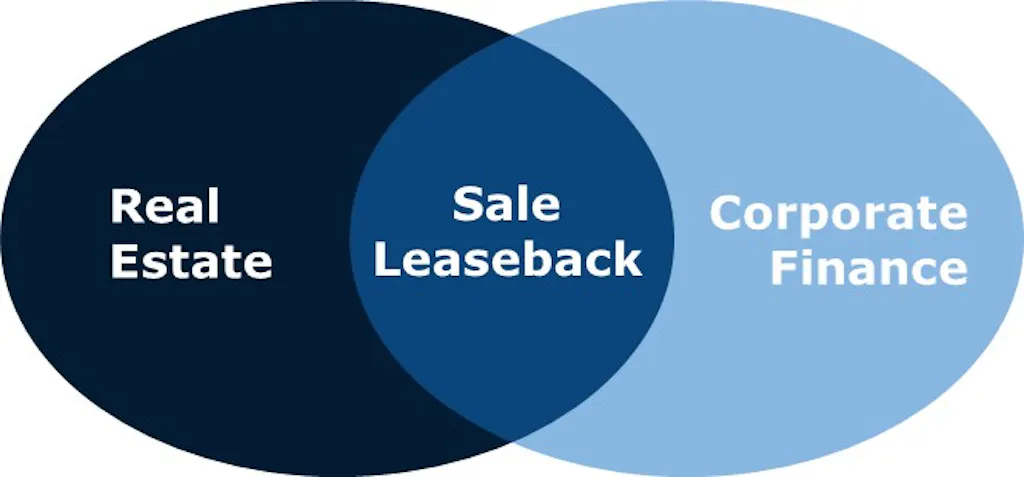
Sale leaseback transactions occupy a unique position at the intersection of real estate and corporate finance. While the transaction involves the sale of a physical asset, the economics, risk assessment, and execution dynamics are driven far more by credit, capital structure, and long-term business fundamentals than by traditional real estate considerations alone.
As the sale leaseback market has matured, so too has the role of the advisor. Achieving optimal outcomes today requires a level of specialization, financial acumen, and execution discipline that extends well beyond a conventional real estate process. A sale leaseback advisor must understand not only property-level dynamics, but also how institutional capital evaluates credit, risk, and durability of cash flows over multi-decade investment horizons.
At SLB Capital Advisors, we view the sale leaseback not simply as a real estate transaction, but as a strategic financing tool—one that must be thoughtfully structured, carefully marketed, and precisely executed to support a company’s broader corporate objectives.
A Transaction Defined by Credit, Not Just Real Estate
While real estate serves as the foundation of a sale leaseback, investors are ultimately underwriting the tenant’s ability to perform over the life of the lease. Sale leaseback investors are long-term, passive capital providers whose returns are driven by contractual rent streams. As a result, the transaction is best understood as a credit investment secured by real estate, rather than a pure asset sale.
Accordingly, the most consequential questions raised during a sale leaseback process center on the operating business. Investors evaluate factors such as:
- Capitalization and leverage
- Margin profile and cash-flow durability
- Historical performance and cyclicality
- Customer concentration and industry exposure
- Capital expenditure requirements
- Competitive positioning and management strategy
Each of these considerations directly impacts perceived risk, rent coverage, cap rate, and ultimately the proceeds achievable through a sale leaseback.
A specialized sale leaseback advisor plays a critical role in synthesizing this information, anticipating investor concerns, and clearly articulating the company’s credit narrative. Effective positioning of the business—particularly in complex or evolving credit profiles—can materially influence pricing, expand the investor universe, and improve execution certainty.
Marketing with Precision and Intent
A disciplined and targeted marketing process is central to a successful sale leaseback execution. This begins with a deep understanding of the investor landscape and which capital providers are best suited for a given opportunity. Depending on the transaction, this may include institutional net lease investors, credit-oriented capital, regional buyers, or family offices.
While the transaction involves a property sale, the simultaneous execution of a long-term lease places significant emphasis on the tenant’s financial profile. In this respect, sale leaseback investors behave much like lenders or bondholders, subjecting opportunities to rigorous credit underwriting and investment committee scrutiny.
An effective advisor ensures that marketing materials and investor dialogue address both the real estate fundamentals and the underlying credit story with equal rigor. Providing investors with clear, decision-useful information is essential to driving competitive tension and achieving best-in-class outcomes. When either dimension is underemphasized, value can be left on the table.
Creating Competitive Tension and Driving Best Outcome
As detailed in our primer “Direct Offers vs. Marketed SLBs: How Competition Changes Everything” an advisor plays a critical role in creating a process with competitive tension among qualified institutional investors. This is generally recognized as better economics (i.e. higher proceeds and/or lower cap rate), but it is also related to securing business-protective lease terms which can have a meaningful impact on the operating company.
Lease Structuring: A Long-Term Strategic Consideration
While the purchase and sale agreement establishes transaction economics, the lease defines the company’s relationship with the asset for the long term. In many cases, the lease will remain in place for decades, making its terms among the most critical elements of the transaction.
Provisions governing assignment in change-of-control scenarios, subletting rights, alterations, expansion flexibility, and use restrictions can have meaningful implications for operations, future strategic initiatives, and exit optionality. These considerations are particularly important for companies contemplating future growth, M&A activity, or ownership transitions.
A sale leaseback advisor works closely with legal counsel to provide market insight and commercial perspective throughout lease negotiations. While attorneys are essential to documenting and protecting legal rights, a specialized advisor brings an understanding of market standards, investor flexibility, and trade-offs between economics and terms. This collaborative approach helps ensure that lease provisions align with the company’s long-term objectives without unnecessarily constraining future outcomes.
Managing Third-Party Diligence
As part of their underwriting, sale leaseback investors typically engage third-party consultants to assess environmental and physical risks associated with the property. This commonly includes Phase I Environmental Site Assessments, as well as property condition assessments evaluating building systems, roofs, pavement, and structural components.
An experienced sale leaseback advisor helps the seller interpret these reports, assess the significance of findings, and manage discussions with investors around remediation or responsibility. Importantly, not all diligence items require immediate resolution. Many can be appropriately addressed through lease structure or ongoing obligations, preserving transaction economics while satisfying investor requirements.
Navigating Complexity and Bespoke Situations
No two sale leaseback transactions are identical. Certain opportunities may involve excess land, zoning considerations, legacy environmental conditions, or unique credit dynamics that require tailored solutions. In other cases, investors may face internal approval hurdles that necessitate creative structuring or enhanced diligence support.
A specialized advisor anticipates these complexities, coordinates among stakeholders, and maintains momentum throughout the process—helping ensure that unforeseen issues do not compromise timing, pricing, or certainty of execution.
Sale Leasebacks in an M&A Context
Sale leaseback capital increasingly plays a critical role in M&A transactions, often serving as an important source of acquisition financing or balance sheet optimization. In these situations, execution certainty, speed, and alignment with transaction timelines are paramount.
An advisor with experience operating alongside M&A transactions understands how sale leaseback capital fits within the broader deal framework. This includes identifying capital providers capable of underwriting complex credit stories, moving efficiently through approval processes, and delivering proceeds when timing is critical.
Conclusion: A Specialized Advisory Discipline
A well-executed sale leaseback is the product of thoughtful positioning, disciplined marketing, careful structuring, and deep understanding of institutional capital. It is not merely the sale of real estate, but a strategic financing decision with long-term implications for the business.
Companies that approach sale leasebacks with the same rigor applied to other corporate finance decisions are best positioned to unlock value while preserving operational and strategic flexibility. Engaging a specialized sale leaseback advisor ensures that the transaction is executed with clarity, precision, and a focus on long-term outcomes—hallmarks of a successful sale leaseback strategy.